Why Fabricators Are Outsourcing Steel Detailing
Detailing demand is spiky. A fabricator wins three jobs in a fortnight and needs four detailers, then wins nothing for six weeks and needs one. Permanent headcount sized for the peak sits idle in the trough, and headcount sized for the trough turns away work at the peak.
Outsourcing steel detailing exists to absorb that variance. It converts a fixed cost into a variable one and lets a workshop bid on jobs it could not otherwise resource. That is the honest commercial case, and it holds up well.
The second driver is scarcity. Experienced steel detailers are genuinely difficult to hire in Australia. A detailer who can model a complex connection, understand AS/NZS 5131 construction categories and produce clean NC output takes years to develop. Recruiting one is slow and expensive, and losing one to a competitor mid-project is worse.
When Outsourcing Steel Detailing Makes Commercial Sense
Outsourcing is not automatically the right answer. These are the situations where it usually is.
- Workload exceeds capacity temporarily. The classic case. You need three months of extra output, not a permanent employee.
- The job needs a skill you do not hold. A precast package, a light-gauge panelised job or a complex architecturally exposed structure may sit outside your team's experience.
- You want to bid work you would otherwise decline. Detailing capacity should not be the reason a tender is passed over.
- Your detailer is on leave or has resigned. Continuity matters more than the hourly rate when a package is already committed.
- You are testing a new market segment. Outsourcing lets you take on a different type of work without restructuring your team for it.
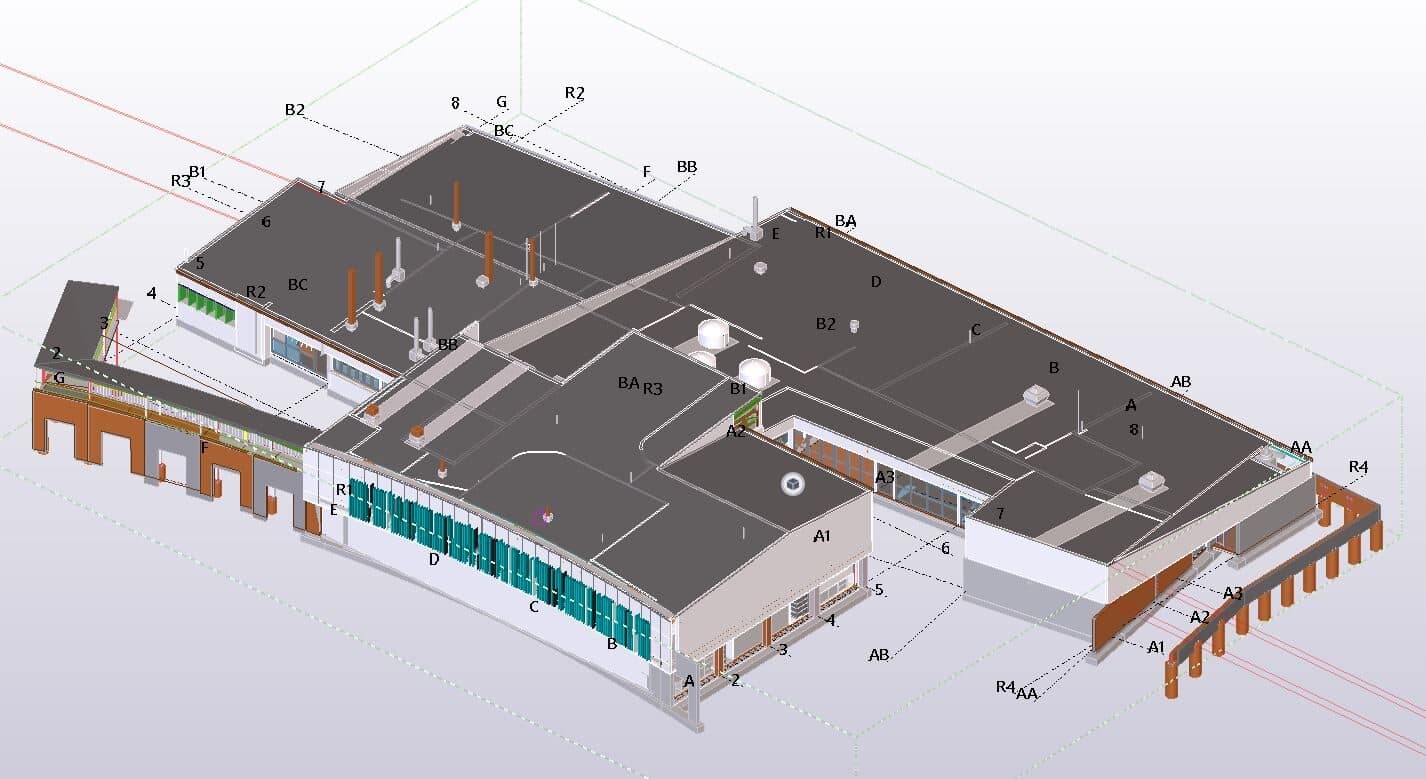
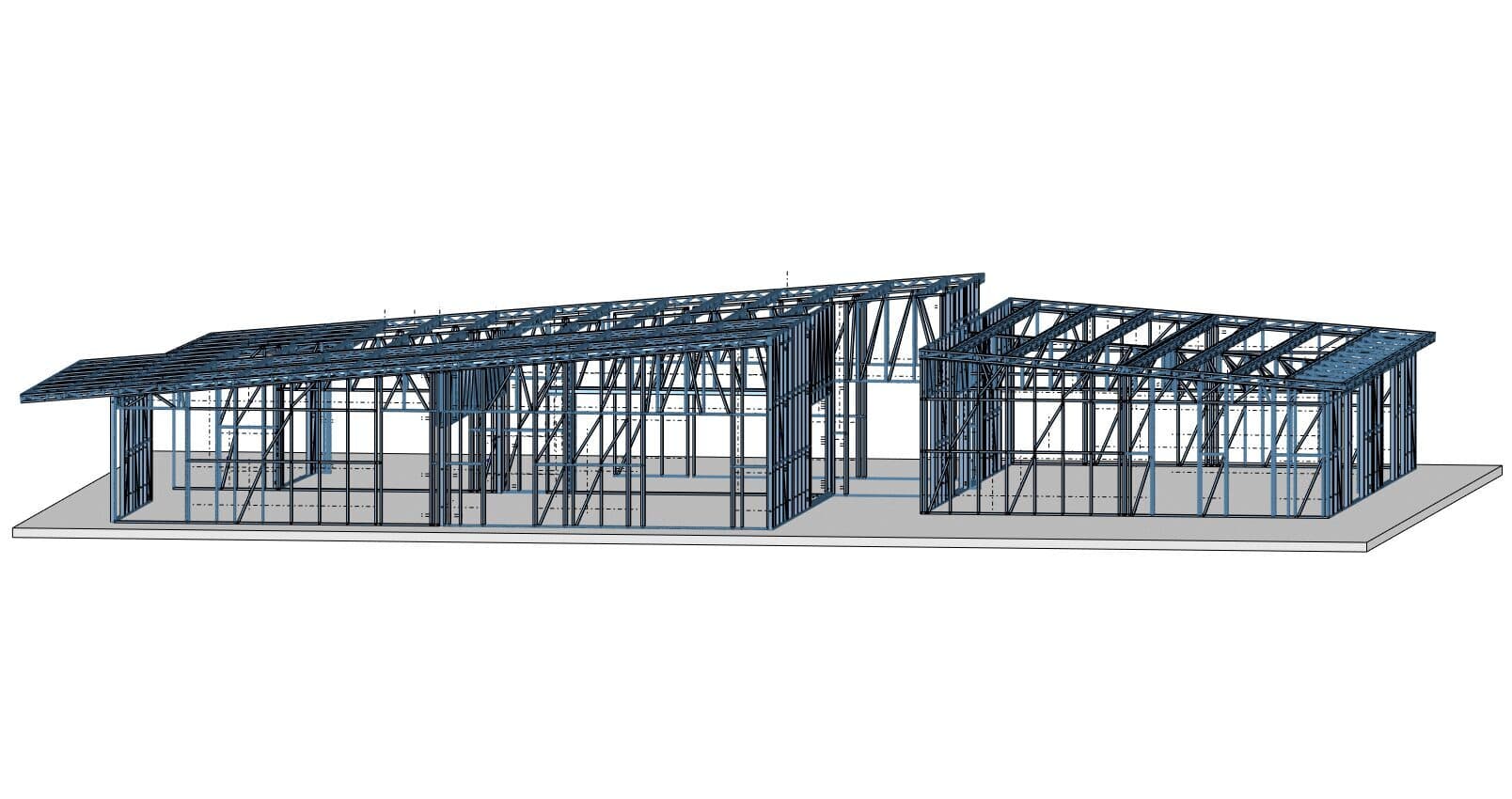
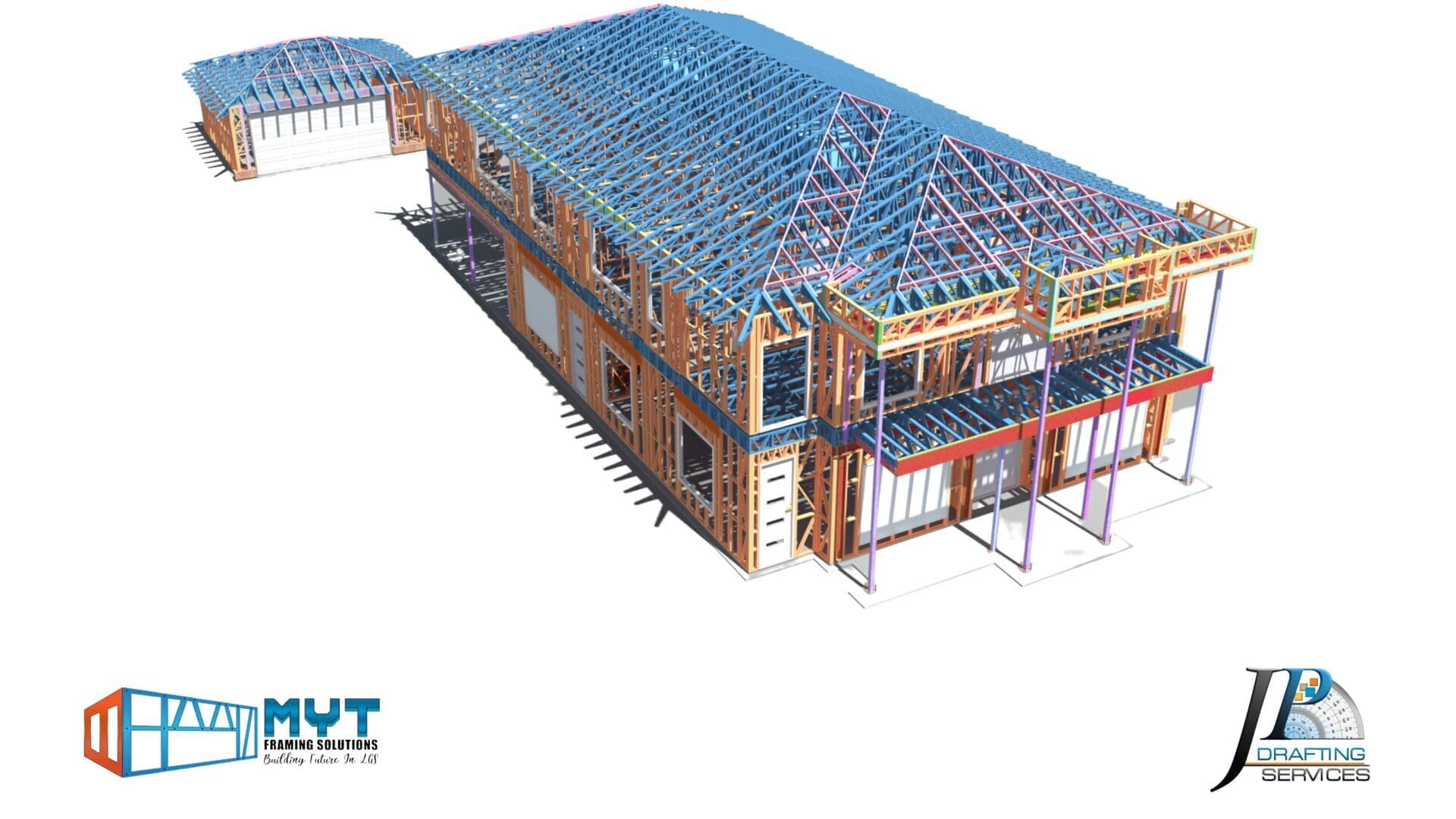
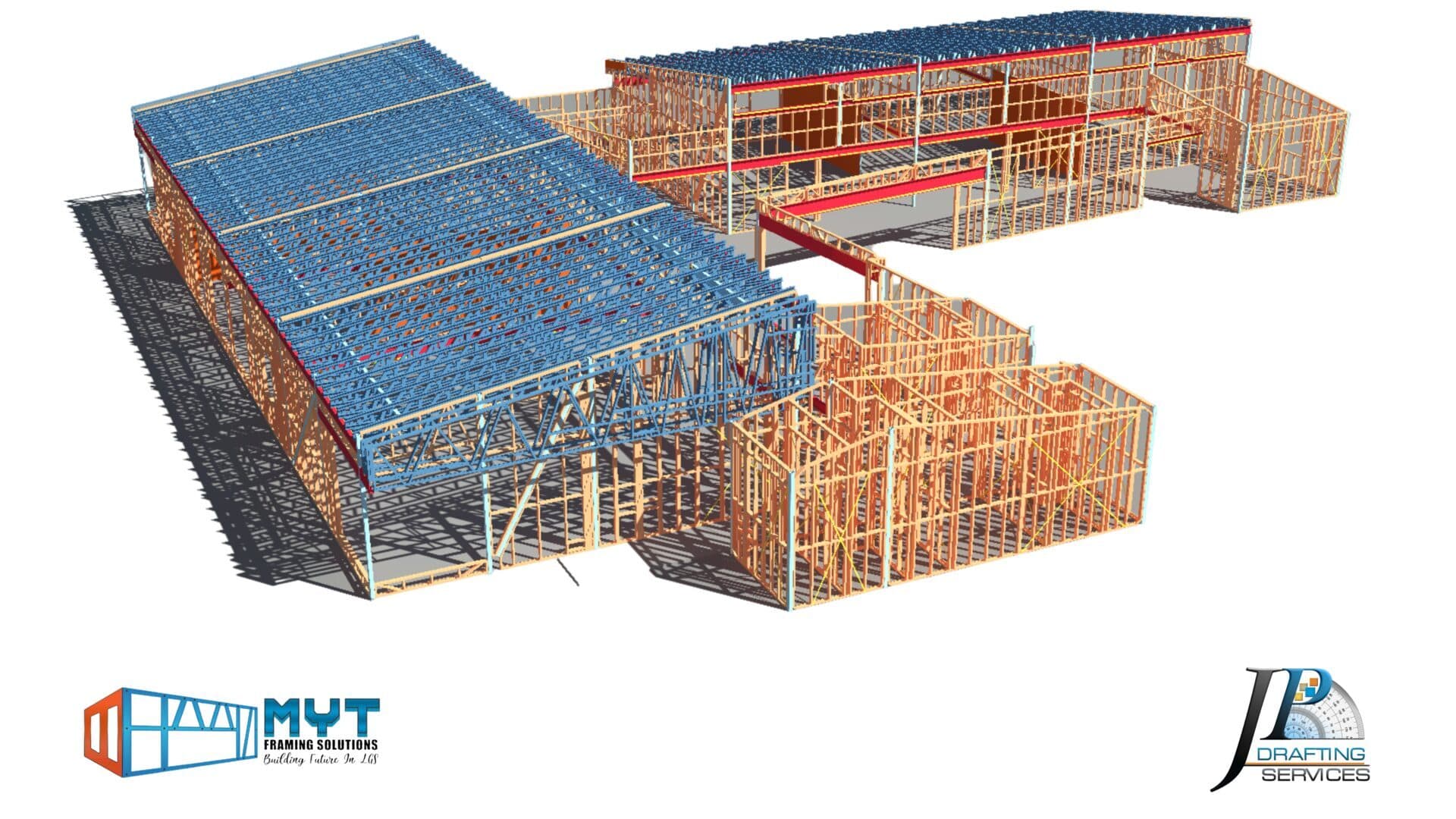
Conversely, if your workload is genuinely steady and predictable, an in-house detailer who learns your workshop's preferences over years will usually outperform any external arrangement. The question is not which is better in the abstract, it is which matches your actual demand pattern. Where the work is specialised rather than simply overflowing, outsourcing a discrete discipline such as precast panel detailing or light-gauge steel detailing often makes more sense than outsourcing capacity across the board.
The Real Risks of Outsourcing Steel Detailing
The risks people worry about and the risks that actually bite are not the same list. Here is the honest version.
Risks that are usually overstated
Distance and time zone. A detailer in another country working while your office sleeps often means you send comments at close of business and receive resolved drawings by morning. Handled well this compresses programme rather than extending it.
Risks that genuinely matter
- 01Detailing to the detailer's standards rather than yours. A technically correct package in an unfamiliar format slows every downstream step, because your team has to learn to read it.
- 02Connections your workshop cannot build efficiently. A detailer who has never seen your shop floor may specify connections that are perfectly sound and awkward to fabricate with your equipment.
- 03Weak or absent checking. If the person who modelled it also checks it, you are buying one set of eyes.
- 04Communication through an account manager. Technical questions relayed through a non-technical intermediary lose fidelity at every hop.
- 05Unclear revision control. Without disciplined transmittals your workshop will eventually fabricate from a superseded drawing.
How to Evaluate a Steel Detailing Partner
Ask these before rate. A cheap package that your workshop cannot build from is the most expensive option available.
- 01Will you work in our templates? Title blocks, layer standards, numbering convention and drawing style should arrive looking like yours.
- 02Who checks, and are they independent? Ask for the checker's name and experience, not a statement that checking happens.
- 03What NC formats do you export? Name your beamline make and model and ask them to confirm compatibility.
- 04Can I speak to the detailer directly? Direct technical contact is worth more than any service level agreement.
- 05Show me a full package from a comparable job. Not selected drawings, a complete package including the material lists and NC output.
- 06How are engineering revisions charged? Design change is inevitable. Ambiguity here becomes a dispute later.
- 07What construction category do you detail to? A detailer who cannot answer this against AS/NZS 5131 is not working to Australian practice.
Setting Up an Outsourcing Steel Detailing Relationship That Works
The first package sets the pattern for every one after it. Invest the time up front.
- Send your standards before the first job. Template files, a sample package you consider good, your numbering logic and your NC requirements.
- Start with a contained package. A single building or a defined zone, not a whole multi-stage project.
- Agree the RFI process. Who raises engineering queries, to whom, and what the expected turnaround is.
- Define the transmittal format. Every issue should list drawings and revisions so superseded documents are identifiable.
- Walk them through your workshop. Even a video call showing your beamline, welding bays and craneage changes how connections get detailed.
- Review the first package properly. Feedback on package one saves repeating the same correction on packages two through twenty.
Working to the fabricator's standards rather than our own is the single practice we have found matters most. The Australian Steel Institute connection guidance provides a common technical language, but the drawing conventions still need to be yours.
What Outsourcing Steel Detailing Actually Costs
Detailing is quoted either per tonne or as a fixed fee against a defined scope. Both are reasonable, but they behave differently when the design changes.
Per tonne pricing is simple to compare across quotes and misleading in one important way: a tonne of repetitive portal frame carries a fraction of the detailing effort of a tonne of architecturally exposed steelwork with bespoke connections. Comparing per tonne rates between two very different packages tells you almost nothing.
Fixed fee against a stated drawing revision is usually the cleaner arrangement, because it forces both parties to define the scope precisely and makes variation handling explicit. Whichever model you use, get the treatment of engineering revisions in writing before work starts.
- Ask what the fee includes. Model, drawings, NC data, material lists, IFC export and approval revisions should all be named.
- Ask what triggers a variation. A change in member size is different from a change in building geometry.
- Ask about the checking allowance. If checking is an optional extra, the base price is not comparable to one that includes it.
Red Flags When Outsourcing Steel Detailing
Walk away if you encounter these, regardless of how attractive the rate looks.
- They cannot name the software version they model in or the NC formats they export.
- They will not let you speak to the person doing the work.
- They decline to provide a complete sample package.
- They cannot explain their checking process or who performs it.
- They quote without asking a single question about your workshop or standards.
- They are unwilling to commit to a fixed price against a stated drawing revision.
We have been detailing for Australian fabricators since 2010 and work as an extension of your team rather than a drawing vendor. See how we work, review our detailing services, or send your engineer's drawings for a fixed quote within 24 hours.
Outsourcing steel detailing FAQs
Is outsourcing steel detailing cheaper than hiring an in-house detailer?
It depends entirely on how steady your workload is. An in-house detailer is cheaper per hour once fully utilised, but you pay for them whether work exists or not. Outsourcing converts that fixed cost into a variable one, so it wins when demand is spiky and loses when demand is consistently high. Many fabricators run a hybrid: one or two in-house detailers covering baseline work, with an external partner absorbing peaks.
How do I protect my drawings and intellectual property when outsourcing steel detailing?
Put a confidentiality agreement in place before sending any documents, and specify who owns the model at completion. Ask for the native model file as a deliverable rather than only PDFs, so you are not dependent on the detailer to make future changes. Reputable detailers expect these requests and will have standard terms covering both.
What time zone problems come with outsourcing steel detailing overseas?
Managed well, a time difference is an advantage rather than a problem: comments issued at end of day are actioned overnight and returned by your morning. The failure mode is not the time zone itself, it is having no overlap window at all for live technical discussion. Agree a fixed weekly call in a mutually workable hour and most time zone friction disappears.
How do I check the quality of an outsourced steel detailing package?
Review a representative sample rather than the whole package: check a complex connection against the engineering drawings, verify that mark numbers are unique and consistent between drawings and lists, confirm hole positions on a member you can measure, and run a small NC file through your beamline before committing the full batch. Errors in detailing tend to be systematic rather than random, so a sample reveals the pattern.
Can outsourced detailers work in our own Tekla templates?
A competent detailing partner should adopt your templates, title blocks, numbering convention, layer standards and report formats as a matter of course. Send your template files and a sample package you consider good before the first job starts. If a detailer resists working in your environment and insists on their own, that is a strong signal about how the rest of the relationship will run.
Related services